

Studying in the United States can be expensive, but need-based scholarships and financial aid programs make it possible for thousands of students to afford college every year. Unlike merit-based awards, need-based aid is granted based on your family’s financial situation.
In this guide, you’ll learn how need-based scholarships in the USA work, what FAFSA is, and how to apply for financial aid in 2026.
What Is a Need-Based Scholarship?
A need-based scholarship is awarded to students who demonstrate financial need. Universities evaluate:
- Family income
- Assets and savings
- Household size
- Number of family members in college
- Special financial circumstances
If your financial need is high, you may receive grants or scholarships that cover part — or even all — of your educational expenses.
What Is FAFSA?
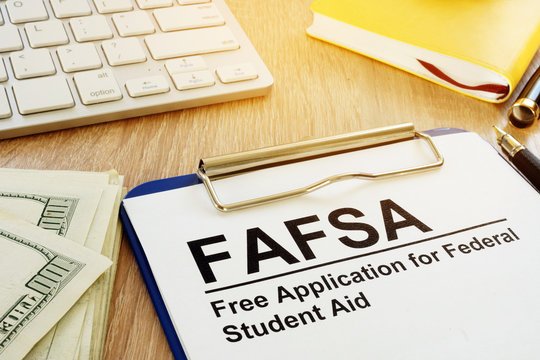
FAFSA stands for Free Application for Federal Student Aid.
It is an official U.S. government form used by:
- U.S. citizens
- Permanent residents
- Eligible non-citizens
FAFSA determines eligibility for:
- Federal grants
- Federal student loans
- Work-study programs
- Some state and university financial aid
FAFSA is free to submit and must be completed every academic year.
Who Can Apply for FAFSA?
FAFSA is generally available to:
- U.S. citizens
- Permanent residents (Green Card holders)
- Eligible non-citizens
International students without U.S. residency usually cannot apply for FAFSA, but they may still qualify for institutional need-based aid directly from universities.
Types of Need-Based Financial Aid in the USA
1. Federal Pell Grant
- Awarded to undergraduate students with exceptional financial need
- Does not need to be repaid
- Amount varies annually
This is one of the most common federal grants.
2. Federal Supplemental Educational Opportunity Grant (FSEOG)
- For students with very high financial need
- Awarded through participating universities
- Limited funds available
3. Federal Work-Study Program
- Provides part-time jobs for students
- Helps cover personal and academic expenses
- Available to eligible FAFSA applicants
4. University Need-Based Grants
Many top U.S. universities meet 100% of demonstrated financial need, including:
- Harvard University
- Yale University
- Princeton University
- MIT
- Stanford University
These institutions provide generous grants that often replace loans.
How International Students Can Get Need-Based Aid
Although international students cannot submit FAFSA in most cases, many universities offer institutional need-based scholarships.
Common Requirements:
- CSS Profile (for many private universities)
- Financial documents (income statements, tax returns)
- Bank statements
- Sponsor letters (if applicable)
Some universities are need-aware, meaning financial need may affect admission decisions. Others are need-blind for certain applicants.
How to Apply for Need-Based Scholarships (2026 Intake)
Step 1: Complete FAFSA (If Eligible)
FAFSA usually opens in October each year. Submit it as early as possible to maximize funding opportunities.
Step 2: Complete CSS Profile (If Required)
The CSS Profile is used by many private universities to assess financial need, especially for international students.
Step 3: Submit Financial Documents
You may need to provide:
- Tax returns
- Income certificates
- Asset documentation
- Proof of unemployment (if applicable)
Accuracy is essential.
Step 4: Apply Before Deadlines
Financial aid deadlines often match admission deadlines:
- Early Action/Decision: November 2025
- Regular Decision: January–February 2026
Late submissions may reduce available funding.
How Is Financial Need Calculated?
Universities calculate something called Expected Family Contribution (EFC) or a similar index. This determines how much your family is expected to pay.
Financial Need = Cost of Attendance – Expected Family Contribution
If your EFC is very low, you may qualify for significant funding.
Tips to Maximize Your Financial Aid
- Submit FAFSA or CSS Profile early
- Provide accurate financial information
- Explain special circumstances (medical bills, unemployment, etc.)
- Apply to universities known for generous need-based aid
- Keep copies of all submitted documents
Frequently Asked Questions
Can international students get need-based scholarships in the USA?
Yes. Many private universities offer institutional need-based aid for international students.
Is FAFSA available for international students?
Generally, no. FAFSA is primarily for U.S. citizens and eligible residents.
Can need-based aid cover full tuition?
Yes. Some universities meet 100% of demonstrated financial need.
Conclusion
Need-based scholarships in the USA provide life-changing opportunities for students who cannot afford high tuition costs. By understanding FAFSA, CSS Profile, and university-specific financial aid programs, you can significantly reduce — or even eliminate — your education expenses.
Start early, submit accurate financial information, and carefully follow each university’s financial aid process for the 2026 academic year.
